
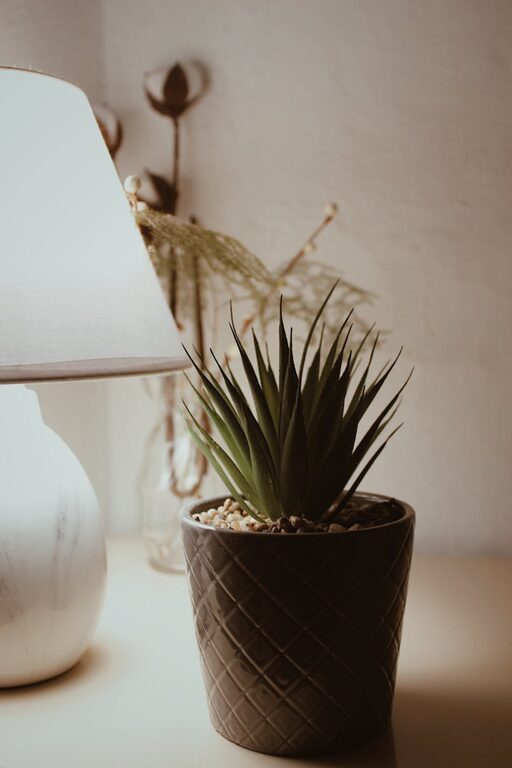
Creating a relaxing home environment doesn’t have to involve major renovations or expensive purchases. Sometimes, small and thoughtful decor changes are all it takes to transform your space into a peaceful sanctuary. Whether you live in a busy city apartment or a cozy house, these simple tips will help you create a calm and inviting atmosphere.
Why a Relaxing Home Environment Matters
Your home should be a place where you can unwind, recharge, and feel comfortable. A cluttered or chaotic space can increase stress levels, while a thoughtfully decorated room promotes relaxation and well-being. Small decor adjustments can impact your mood, improve focus, and even enhance your overall quality of life.
Start with Decluttering: Less Is More
Before adding any new decor, take time to declutter your space. Clutter can create visual noise and prevent a relaxing atmosphere.
– Clear surfaces: Keep tables, shelves, and countertops as clear and organized as possible.
– Use storage solutions: Invest in baskets, boxes, or drawers to hide away items you don’t need daily.
– Evaluate items: Let go of things that don’t spark joy or serve a practical purpose.
A cleaner, simpler environment immediately feels more serene.
Choose Calming Color Palettes
Color plays a huge role in setting the mood of your home. To foster serenity, select colors that are soft and soothing.
– Neutral tones: Shades like soft beige, off-white, light gray, or taupe create a calm backdrop.
– Pastels: Light blues, gentle greens, and pale lavenders can evoke feelings of peace.
– Accent colors: If you want pops of color, stick to muted hues rather than bold, bright ones.
Consider repainting walls or switching out cushion covers and curtains in these palettes for an instant calming effect.
Incorporate Natural Elements
Nature has a calming influence on the mind, so bringing natural touches indoors is a simple way to relax.
– Plants: Houseplants not only add freshness but also improve air quality. Easy-to-care-for varieties like snake plants, pothos, or peace lilies work well for most homes.
– Natural materials: Use decor items made from wood, stone, cotton, or linen to add texture and warmth.
– Light and air: Whenever possible, let natural light into your rooms and open windows to circulate fresh air.
These elements create a sense of balance and connection to the outdoors.
Focus on Comfortable Textiles
Soft and cozy textiles invite relaxation and add a tactile comfort to your living spaces.
– Throws and blankets: Keep fluffy throws on the sofa or your favorite chair.
– Rugs: A plush area rug can help soften a room and create a warm feel underfoot.
– Pillows: A few extra pillows in calming colors or textures make seating areas more inviting.
Opt for natural fabrics like cotton, wool, or bamboo for breathability and comfort.
Optimize Lighting for Ambiance
Lighting significantly affects the ambiance and mood of a room. Bright overhead lights can feel harsh, while softer lighting encourages relaxation.
– Layered lighting: Use a combination of table lamps, floor lamps, and candles for adjustable lighting.
– Warm bulbs: Choose bulbs with warm temperature (2700K to 3000K) rather than cool white.
– Dimmer switches: Installing dimmers lets you control the brightness depending on time of day or activity.
Soft, warm lighting can turn any room into a peaceful retreat.
Add Personal Touches Mindfully
Personal items make a space feel like home, but too many can create distractions.
– Select meaningful decor: Display art, photos, or souvenirs that evoke happy memories or positive feelings.
– Keep it balanced: Limit the number of personal items in communal spaces to avoid clutter.
– Create a dedicated nook: Designate a small corner or shelf for your favorite keepsakes.
These touches remind you of comfort and joy without overwhelming your environment.
Use Scents to Soothe the Senses
A gentle scent can elevate the sense of calm in your home.
– Essential oils: Diffusers with lavender, chamomile, or eucalyptus oils are popular for relaxation.
– Candles: Choose lightly scented candles that contribute to the atmosphere without being overpowering.
– Fresh flowers: Natural floral scents add both beauty and a refreshing aroma.
Scent is a powerful way to create an inviting and soothing ambiance.
Keep Technology in Check
While technology is useful, excessive screens and cords can disrupt tranquility.
– Designate tech-free zones: Consider keeping bedrooms or relaxation areas free from TVs, computers, and smartphones.
– Organize cords: Use cable management solutions to reduce visual clutter.
– Minimize noise: Use soft sound machines or ambient music apps rather than loud TV or phone alerts.
A balanced approach to technology helps maintain your relaxing environment.
Final Thoughts
With just a few simple decor changes, you can create a home environment that encourages relaxation and comfort. Focus on decluttering, soothing colors, natural elements, cozy textiles, and soft lighting. Personalize your space with meaningful touches and calming scents while keeping technology to a minimum. Small efforts can lead to big improvements in how peaceful and welcoming your home feels every day. Start with one or two changes and watch your space transform into the calming refuge you deserve.